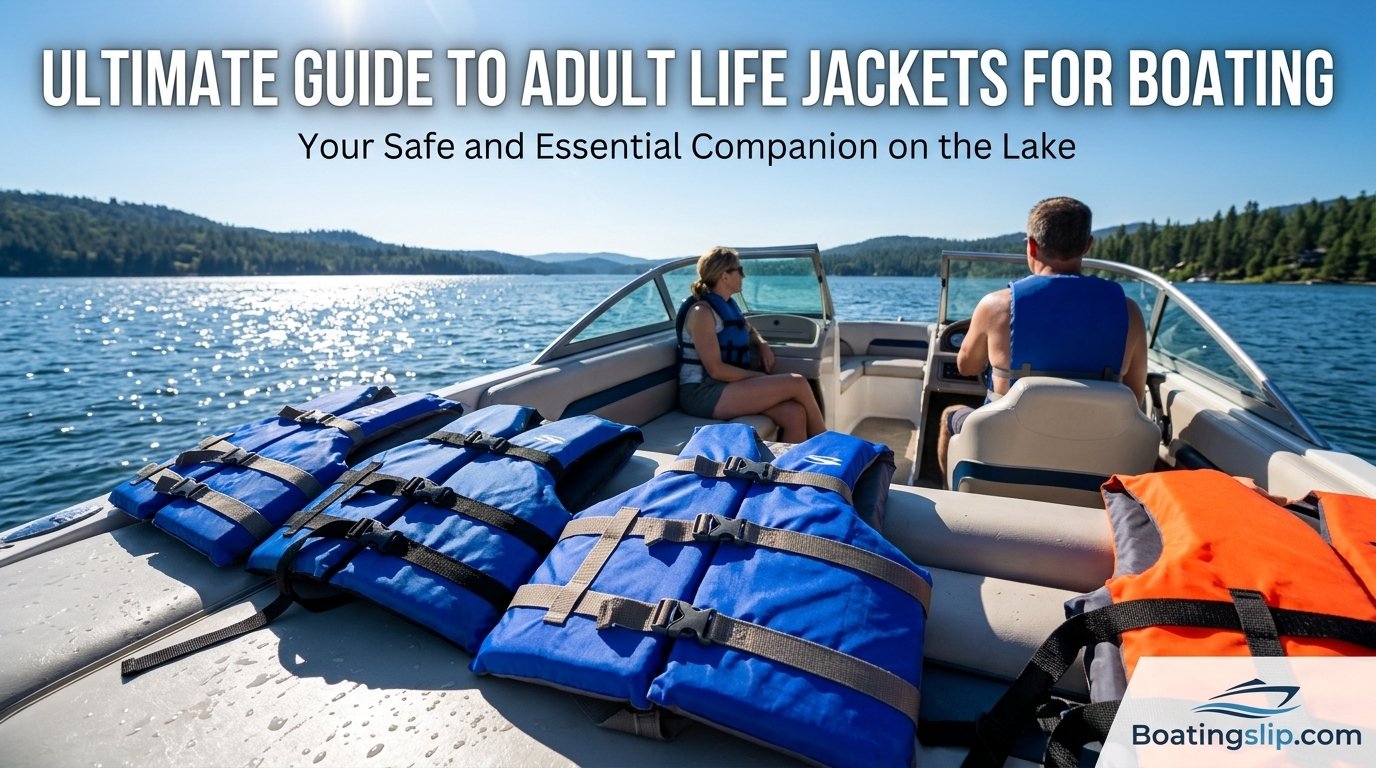
10 Best Life Jackets for Adults Boating
Every boating season, the same story repeats: a perfectly good life jacket sits in a locker, still wrapped in plastic, while its owner swears they will “grab it if something happens.” Here is the problem with that plan. Accidents on the water rarely announce themselves. The best life jacket is the one you actually wear, and for adults that comes down to comfort, fit, and choosing the right style for the way you boat.
This guide walks through ten well-regarded options, from budget-friendly foam vests to low-profile inflatables and paddle-ready designs. We explain what the ratings mean, how to size a jacket, and how to match one to your activity, so you can buy once and wear it every trip.
Why Your Life Jacket Matters More Than Any Other Gear
Fuel, anchors, and fancy electronics all make a day on the water better. A life jacket is the one item that can decide whether it ends well. Falling overboard can happen in seconds: a wake catches you off guard, a line snags a foot, or a sudden gust tips a small boat. Cold water shock can make even strong swimmers gasp and lose control of their breathing, and tired muscles fail faster than most people expect.
A properly fitted jacket keeps your airway above the surface while you recover, signal for help, or wait for rescue. That is why the people who spend the most time on the water, from fishing guides to rescue crews, tend to wear theirs by habit rather than by rule.
Comfort is the hidden hurdle. Stiff, hot, or bulky vests get left behind, which is exactly why modern designs focus on mesh backs, articulated panels, and slim profiles. Keep that in mind as you compare the options below.
The Real-World Math of Falling In
Most boaters picture an emergency as a dramatic capsize, but the typical incident is quiet and quick. Someone stands up to move to the bow, the boat rocks, and they are in the water with nobody at the helm watching. Even a calm lake can turn a short swim into a serious problem if the boat drifts away faster than you can reach it, which happens more often than people expect with a light breeze and a pontoon’s large surface area.
Cold water adds another layer. Water that feels refreshing in July can still trigger an involuntary gasp reflex, rapid breathing, and a loss of coordination in the first minutes. Swimming ability helps less than most people assume, because the first minute is about staying calm and keeping your airway clear, not about technique. A life jacket gives you that minute back.
Wearing It Beats Stowing It
Boat lockers are full of jackets that were never within reach when they were needed. If an emergency gives you ten seconds, you will not spend them digging through gear, untangling straps, and guessing which size belongs to you. The habit that matters most is simple: put it on at the dock and take it off at the dock. Choosing a vest you like makes that habit far easier to keep, which is the entire premise of this list.
It also sets the tone for everyone aboard. Guests, kids, and newer boaters watch what the captain does. When the person at the helm is wearing a jacket, the rest of the crew rarely argues about it.
Why Experienced Boaters Still Get Caught Out
Familiarity breeds shortcuts. Veteran captains often skip the jacket because they have made a thousand trips without trouble, and that confidence is exactly what makes a rare incident dangerous. Hazards do not care how long you have been boating. A hidden log, a sudden squall, a rogue wake from a passing vessel, or a medical event such as dizziness can send anyone into the water without warning.
There is also the problem of being alone. If you fish solo or head out early before anyone else is around, nobody is there to throw a cushion or turn the boat. In those moments, the jacket on your body is the only rescue equipment that works without help. It buys time for you to swim to the boat, reach a shoreline, or wait for someone to notice you are missing.
Protecting the People Who Ride With You
As captain, you are responsible for everyone aboard. That means having enough properly sized jackets, showing guests how they work, and setting the expectation that they will be worn. A short briefing before leaving the dock, covering where jackets are stored, how to fasten them, and what to do if someone falls in, takes two minutes and can change an outcome completely.
Making the Habit Stick
Habits form around friction. If your jacket is hot, itchy, or awkward, you will find reasons to skip it. If it is comfortable and always within reach, wearing it becomes automatic. Keep a favorite vest by the door with your keys, or leave it in the boat’s most accessible spot. Small changes like these remove excuses and make safety the easy default, not the extra step.
Browse a wider range of adult life jackets and compare current prices.
Shop Adult Life Jackets on AmazonUnderstanding USCG Life Jacket Types
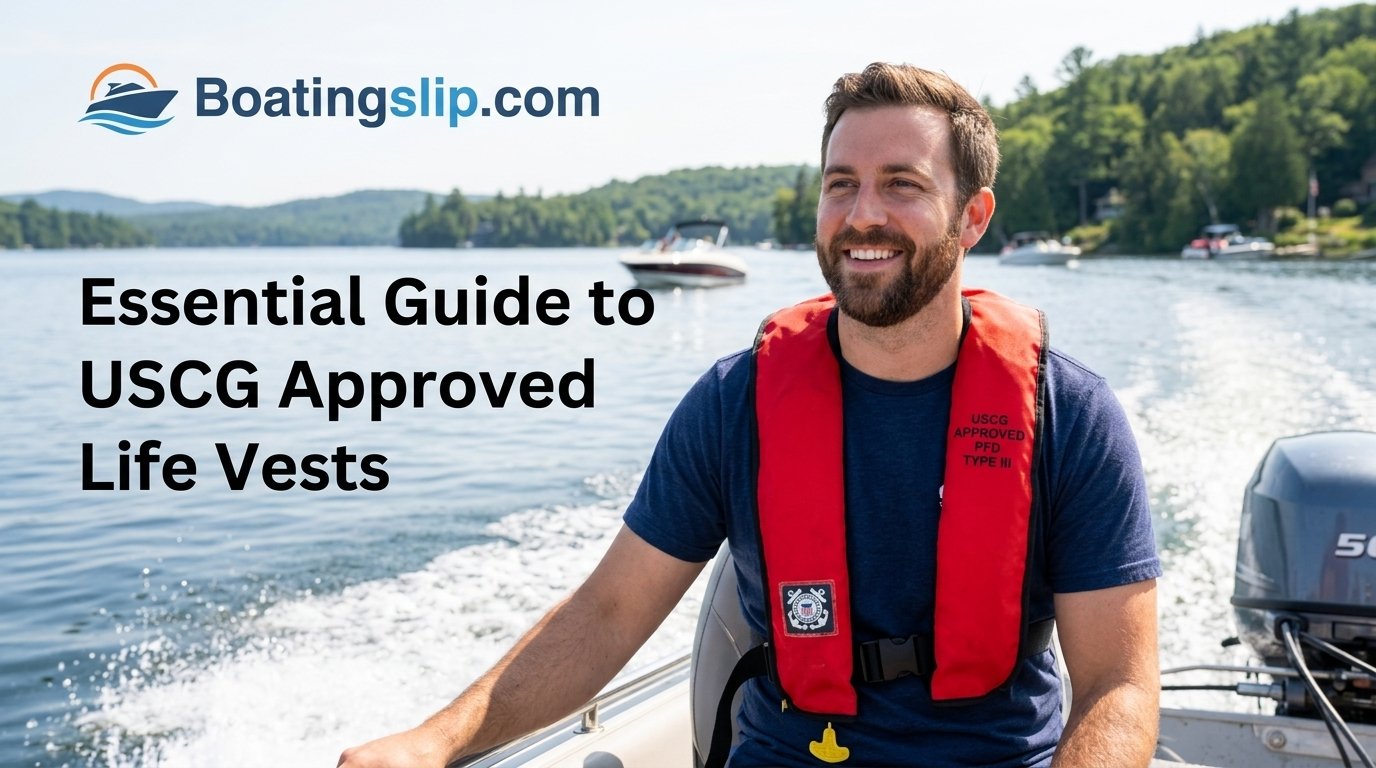
In the United States, wearable life jackets are approved by the Coast Guard, and labels are the quickest way to see what a jacket is built for. The older Type I through V system is still printed on many products, while newer labels describe performance levels and intended use.
Type I: Offshore
The most buoyant style, designed for open or rough water where rescue may take time. Bulky, but it turns many unconscious wearers face-up.
Type II: Near-Shore
A lighter collar-style option for calmer inland or coastal water where help is likely to arrive quickly.
Type III: Flotation Aid
The category most recreational adults buy. It is comfortable and made for active use, but it expects you to help keep your face out of the water.
Type V: Special Use
This covers inflatables and specialized designs, which are approved only when worn and used as the label directs.
Always read the label inside your jacket. It lists the approved use, chest size range, and weight limits, which matter more than any marketing copy.
What the Labels Actually Tell You
Inside every approved jacket you will find a label listing the approval number, the intended use, the size range by chest measurement, and often a weight range. Treat this label like a spec sheet. A vest approved for adults over a certain chest size will not perform as intended on a smaller person, and a jacket rated for one use may carry conditions for another. Inflatable labels also spell out whether the vest must be worn to count toward legal requirements.
Buoyancy Is Not the Whole Story
People often compare jackets by pounds of buoyancy alone, but how that flotation is distributed matters just as much. A vest with more foam in the chest and collar tends to tip an unconscious wearer onto their back, while slim sport vests rely on you to stay alert and help keep your face up. That is why offshore and rescue-oriented designs look bulkier and why the everyday vests on this list prioritize comfort for conscious, active wearers on inland waters.
Choosing a Type for Your Water
Calm lakes, slow rivers, and protected bays suit flotation aids comfortably. If you boat in open water, far from help, or in conditions where a rescue could take a while, consider moving up to a more buoyant, turning-capable design. When in doubt, match the jacket to the worst realistic day you might face rather than the best one.
Reading Approval Marks and Claims Carefully
Marketing language can be loose, so rely on the approval information printed on the jacket itself. A product page might describe a vest as perfect for every activity, but the label controls what it is actually approved for. If a listing is vague about approval, check the manufacturer details before buying, and be cautious with unfamiliar sellers.
Why Spare Jackets Matter
Keep at least one approved jacket for each person you expect aboard, plus a couple of extras in assorted sizes. Guests show up unannounced, and a jacket that is too large or too small is not much better than none. Mark storage bins clearly so anyone can grab a vest in seconds.
When to Move Up in Protection
Consider a higher-buoyancy design if you boat alone, travel far from shore, fish in cold water, or are not a confident swimmer. The extra flotation and turning ability are worth the added bulk in those situations. Comfort matters, but so does matching your protection to your risk.
Look for the Coast Guard approval label on any jacket you shop for.
See USCG Approved Life VestsHow We Chose These Picks
We looked at the factors boaters tell us matter most: comfort during long days, adjustability across different body shapes, visibility, material quality, and value. We also weighed how well each option suits different activities, because a jacket for wakeboarding is not the same as one for fishing or pontoon cruising.
A few ground rules guided the list. Every wearable pick should carry a Coast Guard approval label. Variety matters, so the list mixes classic foam, inflatable, paddle-focused, and sport-style designs. And price should reflect real features, not just branding. Because specs and pricing change, always confirm sizing and approval details on the product page before buying.
Quick Comparison Table
| Life Jacket | Style | Best For |
|---|---|---|
| Stearns Adult Classic Series | Foam vest | General boating, budget |
| O’Neill Men’s SuperLite | Foam, sport cut | Watersports, tow sports |
| Airhead Trend | Foam vest | Casual, family outings |
| ONYX 103000 General Purpose | Foam vest | Everyday use, value |
| Onyx A/M-24 Inflatable | Inflatable | Hot weather, fishing |
| Onyx MoveVent Dynamic | Paddle foam | Kayaking, paddling |
| HyperLite Men’s Elite | Foam, sport cut | Active watersports |
| MW Adult Universal | Foam vest | One-size flexibility |
| Liquid Force Watson CGA | Foam, sport cut | Wakeboarding, skiing |
| O’Brien Impulse Women’s | Foam, women’s cut | Women’s fit, watersports |
Comfort Comes First
We weighted comfort heavily because it decides whether a jacket gets worn. That means looking at ventilated backs, soft liners, shoulder articulation, and how a vest behaves when you sit, reach, and turn. A jacket that digs in during a long afternoon will end up on the seat next to you, not on your body.
Adjustability and Coverage
We favored designs with multiple adjustment points, since few people match a standard size chart perfectly. Side straps, adjustable shoulders, and secure front closures let you dial in a fit that stays put in the water. We also considered how well each option handles different body shapes, which is why the list includes a women’s cut and a universal option.
Value and Variety
A good guide covers more than one budget and one boating style. You will find inexpensive vests that are ideal for stocking guests, mid-range options with real comfort upgrades, and specialty designs for paddling and tow sports. No single jacket is best for everyone, so we aimed to give you a clear reason to choose each one.
Use the table as a quick filter, then read the full write-ups below for the details that matter to you. If you mostly cruise or fish, focus on the general-purpose foam vests and the inflatable. If your days involve being pulled behind a boat, the sport cuts from O’Neill, HyperLite, Liquid Force, and O’Brien deserve a closer look. Paddlers should start with the MoveVent.
Keep in mind that many boaters end up with two or three styles: a comfortable personal jacket, a few inexpensive spares for guests, and a specialty vest for a favorite activity. Building a small collection is often smarter than hunting for one jacket that does everything.
What We Left Out
We avoided novelty designs and heavily gimmicky products. We also steered clear of recommending any vest for uses outside what its approval supports. If a jacket is built for paddling, we call it a paddling vest. If it is intended for tow sports, we say so. This keeps the list honest and helps you avoid buying the wrong tool for the job.
How to Use This List
Start by identifying your primary activity, then your budget, then your preferred style, foam or inflatable. From there, narrow the list to two or three candidates and compare current listings for size availability, reviews, and return policies. Ordering a size up and down when returns are free is an easy way to find the best fit.
Matching the Table to Your Boat
A pontoon full of friends has different needs from a bass boat with one angler or a ski boat with a tow rope. On crowded boats, you will value affordable, quick-fit vests you can hand out. On a fishing boat, comfort and mobility for casting matter most. On a ski boat, a snug sport cut that stays put during falls is the priority. Using your boat as the starting point makes the decision far less overwhelming.
A Note on Reviews and Ratings
Customer reviews offer useful clues about durability, sizing quirks, and comfort, but read them critically. Look for patterns, not single complaints, and pay attention to reviewers who boat the way you do. A five-star rating from a casual user may not predict how a vest performs in hard use, and the reverse is also true.
Budget deserves a mention too. Spending a bit more on a vest you love is usually worth it if it means you wear it, while stocking spares with affordable options keeps overall costs sensible. Think in terms of cost per trip, and the right choice often becomes obvious.
Not sure which style fits? Compare popular options side by side.
Compare Life Jackets on AmazonPicks 1–3: Classic Comfort and Everyday Value
1. Stearns Adult Classic Series Life Vest

Stearns is one of the best-known names in recreational flotation, and this classic vest shows why. It is a straightforward foam design with adjustable straps, built to be dependable on pontoons, fishing boats, and runabouts. If you want something familiar without paying for features you will not use, start here.
One of its quiet strengths is predictability. The vest behaves the way you expect: it floats, it adjusts, and it holds up to rinsing and rough handling. For first-time buyers, that familiarity counts for a lot. It also makes a sensible baseline to compare against pricier options, because you can judge exactly what the extra money buys in comfort and styling.
On a pontoon or fishing boat, where you spend more time seated than in motion, the classic cut works well. Sit in it before a long day, check that the collar does not press on your neck, and adjust the side straps so the vest does not ride up when you lean over to net a fish or grab a dock line.
Who it suits best: boaters who want a no-nonsense vest for pontoons, fishing boats, and family outings, and anyone building a set of matching jackets for the whole crew. Who should look elsewhere: anyone who needs maximum ventilation for hot climates or a slim cut for athletic use.
- Simple, proven design
- Budget friendly
- Easy to adjust
- Less ventilation than premium vests
- Basic styling
Check current price and sizing for this classic vest.
View Stearns Vest on Amazon2. O’Neill Men’s SuperLite USCG Life Vest

O’Neill brings its water-sports pedigree to this slim vest. The low-profile cut leaves your arms free, which makes it a favorite for tubing, skiing, and anyone who dislikes bulk. It is a good example of how much more wearable modern foam jackets have become.
The slim profile is the main reason to choose this vest. Bulky jackets tend to hike up when you hit the water at speed, but a close-fitting cut stays where you put it. That makes it a smart pick for tubing, skiing, and general play on the water, especially for people who stopped wearing a jacket because it felt like a life-preserving parka.
Because it fits closely, sizing deserves extra attention. Measure your chest, compare it to the label, and lean toward a snug but breathable fit. If you are between sizes, think about how much layering you will do on cooler days before deciding.
Who it suits best: active boaters who want a streamlined jacket for tubing, skiing, and general water play. It is also a good option for people who find bulky jackets annoying and tend to leave them off. Who should look elsewhere: boaters seeking the lowest price or a loose, roomy fit.
- Slim, athletic cut
- Freedom of movement
- Trusted brand
- Check sizing carefully
- Costs more than basic vests
See sizes and current pricing.
View O’Neill SuperLite on Amazon3. Airhead Trend Life Jacket

Airhead has built a reputation around towables and family boating gear, and the Trend vest fits that mold. It is an easygoing choice for casual days on the lake, with a look that is a bit more fun than the standard orange vest.
Part of the appeal is simply that it looks like something you would not mind wearing. Younger adults and casual boaters often ignore standard vests because they feel dated, and a more modern look can remove that excuse. The straps are easy to adjust, so it works well when different adults pass a jacket around over a weekend.
Treat it as an everyday lake and river vest. If your plans include open water or demanding conditions, step up to a design aimed at that environment instead of stretching a casual jacket beyond its purpose.
Who it suits best: casual lake days and family weekends where style helps encourage wear. Who should look elsewhere: anyone who needs a specialized fit for demanding sport or open-water use.
- Casual, approachable style
- Good for family outings
- Reasonable price
- Not aimed at serious offshore use
Check availability and size options.
View Airhead Trend on AmazonPicks 4–6: Versatile, Inflatable, and Paddle-Ready
4. ONYX 103000 General Purpose Life Jacket

The name says it all. This general-purpose vest is built for everyday boating and works as a dependable spare to keep aboard for guests. It is a smart pick if you need several jackets without stretching your budget.
Think of this as the dependable workhorse of the list. Many boaters buy one or two nicer vests for themselves and then fill the locker with general-purpose jackets for guests. Having approved, adjustable vests on board means a surprise passenger never has to go without, and you are never tempted to let someone skip a jacket because the right one is missing.
Remember to check the chest size range before ordering several at once. A mix of sizes stored in an easy-to-reach bin, not buried under gear, makes the biggest difference when a guest needs one in a hurry.
Who it suits best: captains stocking a locker with reliable spares, and budget-minded buyers who want approved flotation without extras. Who should look elsewhere: boaters who wear a jacket for many hours and want premium comfort features.
- Great for stocking extras
- Straightforward fit
- Value priced
- Fewer comfort upgrades
See the latest price and sizing.
View ONYX 103000 on Amazon5. Onyx A/M-24 Inflatable Life Jacket

Inflatables are the answer for people who hate how foam vests feel in summer. Worn like a slim belt or suspender-style pack, they stay out of the way until needed. The trade-off is upkeep: you must inspect the cartridge and bobbin regularly and rearm after use.
The big draw is how light it feels. In hot weather, a foam vest can feel like wearing a sleeping bag, which tempts people to take it off. An inflatable stays slim until it is needed, so you are far more likely to leave it on from launch to retrieval. That alone can make it the safer choice for the right person.
The responsibility is yours, though. Check the cartridge and indicator before each trip, keep a spare rearm kit on board, and replace parts on the schedule the manufacturer recommends. Avoid wearing it for activities where impacts or hard falls could set off or damage it, and remember that inflation relies on a working system.
Who it suits best: confident swimmers who fish, sail, or cruise in warm weather and want a jacket they will really wear. Who should look elsewhere: kids, non-swimmers, and anyone who rides hard behind a boat or does impact-heavy sports.
- Light and cool to wear
- Barely noticeable on long days
- Great for fishing and sailing
- Needs regular inspection
- Not ideal for non-swimmers or rough sports
Review current pricing and rearm kit details.
View Onyx A/M-24 on Amazon6. Onyx MoveVent Dynamic Paddle Vest
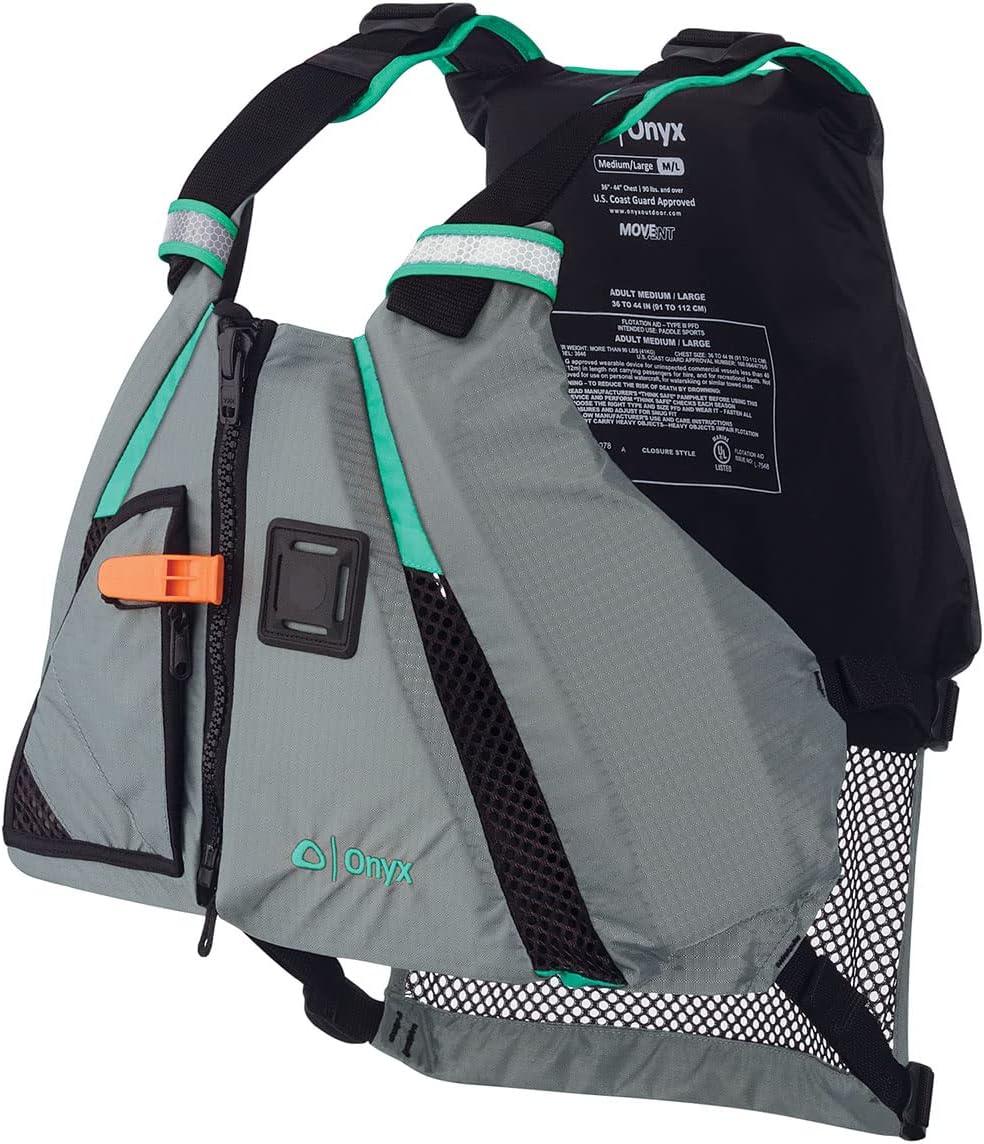
Designed for paddlers, this vest focuses on shoulder freedom and airflow. If your boating includes kayaks, canoes, or paddleboards alongside a motorboat, it is the one you will reach for most because it does not restrict your stroke.
Paddlers have unique demands: constant arm motion, repeated reaching, and long hours in the sun. A paddle-oriented cut keeps material away from the shoulders and arm pits, which reduces chafing and lets you stroke freely. Airflow panels help you stay cool, and a snug fit keeps the vest from shifting as you move.
Plenty of boaters pair a motorboat with a small kayak or paddleboard for fishing coves and calm mornings. One approved paddle vest can cover both, as long as the label supports your intended use.
Who it suits best: kayakers, canoeists, paddleboarders, and boaters who like to mix a small paddle craft with their main boat. Who should look elsewhere: those who only cruise and want the simplest, cheapest option.
- Excellent range of motion
- Ventilated design
- Paddle-friendly cut
- Overkill for simple cruising
See sizes and current price.
View MoveVent on AmazonPicks 7–10: Sport Cuts and Flexible Fits
7. HyperLite Men’s Elite

A sport-oriented vest for people who spend more time moving than sitting. The trim profile suits wakeboarding and skiing, where a baggy jacket would ride up on impact.
This is a vest for active days, where a jacket needs to stay snug through falls, wake crossings, and quick recoveries. A trim profile reduces the chance of the vest riding over your chin, and secure closures keep it fastened under stress. It suits riders who prefer to feel a close, supportive fit.
The flip side is that a fitted vest has less forgiveness for the wrong size. Try to confirm your measurements and review the label carefully so you do not end up with a jacket that squeezes you or floats loose.
Who it suits best: riders who want a secure sport vest and do not mind a close fit. Who should look elsewhere: anyone who prefers a roomy, relaxed jacket for lounging.
- Streamlined for activity
- Secure, body-hugging feel
- Snug fit may not suit everyone
Confirm size and availability.
View HyperLite Elite on Amazon8. MW Adult Universal Life Vest
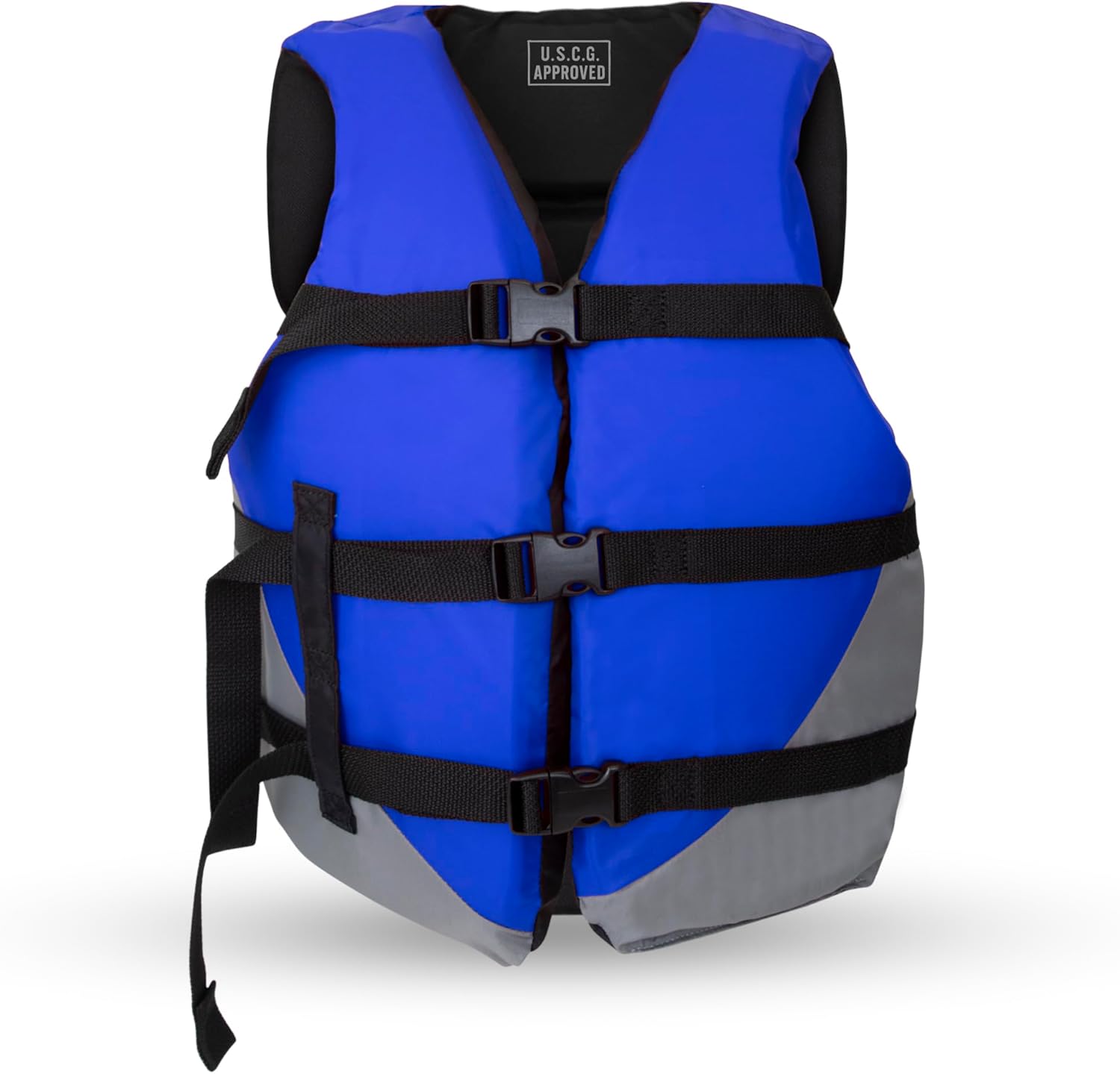
Universal sizing makes this a handy option when a boat is shared by several adults. Adjustable straps help it work across different builds, though you should still check the chest range on the label.
When several adults share a boat, size matching gets complicated. A universal vest simplifies that, and adjustable straps let one jacket work for many builds. That makes it handy for rental fleets, family boats, and anyone who regularly takes out guests of different sizes.
Still, universal does not mean unlimited. Read the label to confirm your chest size is covered, and tighten every strap until the vest stays put when you pull up on the shoulders. If it still rides up, choose a different size or style.
Who it suits best: shared boats, guests of mixed sizes, and families who want flexibility. Who should look elsewhere: people with a body shape or size at the edge of the adjustment range, who will do better with a size-specific vest.
- Flexible sizing
- Good for shared boats
- Universal fits are rarely perfect
See current pricing.
View MW Universal Vest on Amazon9. Liquid Force Watson CGA Life Jacket

Liquid Force is a staple among wakeboarders, and the Watson carries that heritage. It is built to move with you and stay put when you hit the water at speed, which is exactly what you want behind a tow boat.
Wakeboarders and skiers need a jacket that handles repeated impact and stays in place when they crash. A purpose-built wake vest uses a close cut and secure closures so it does not shift or ride up. It also tends to use durable materials that hold up to speed, spray, and frequent rinsing.
If your boat days include tow sports, a vest like this is worth the investment. Replace it when stitching frays or foam compresses, and keep a casual vest on board for non-riding passengers.
Who it suits best: wakeboarders, skiers, and serious tow sport fans who want a durable, performance-oriented vest. Who should look elsewhere: casual cruisers who would rather spend less on a simple foam vest.
- Made for wake sports
- Secure fit during impact
- Premium pricing
Check size and current price.
View Liquid Force Watson on Amazon10. O’Brien Impulse Women’s Life Jacket

Women’s jackets are cut to accommodate a different torso shape, which means less riding up and fewer pressure points. The Impulse pairs that tailored fit with the sport-oriented build O’Brien is known for.
A women’s cut addresses real fit problems. Standard vests often ride up at the chest or leave gaps at the sides for many women, which makes them uncomfortable and less secure. A tailored design distributes flotation more comfortably and reduces pressure points, so it gets worn longer.
Like every jacket, it deserves a proper fit check. Fasten all closures, lift at the shoulders, and move your arms to confirm you have full range of motion before you head out.
Who it suits best: women who struggle to find standard vests that sit comfortably and who want an active, sport-ready cut. Who should look elsewhere: boaters who prefer a unisex or universal approach for sharing between crew members.
- Tailored women’s fit
- Comfortable for active use
- Check chest size range first
See sizes and pricing.
View O’Brien Impulse on AmazonFoam vs. Inflatable: Which Should You Choose?
Foam is simple. It floats the moment you hit the water, needs almost no maintenance, and tolerates rough treatment. Inflatables are cooler and more comfortable but rely on a working inflation system that must be inspected and rearmed.
| Factor | Foam | Inflatable |
|---|---|---|
| Comfort in heat | Warmer | Much cooler |
| Maintenance | Minimal | Regular checks |
| Instant buoyancy | Yes | After inflation |
| Best for | Watersports, families | Fishing, cruising |
If you are a non-swimmer, boat with kids, or do high-impact watersports, foam is the safer default. If you are an experienced boater who wants something you will actually wear all day, an inflatable can be an excellent choice.
Who Should Choose Foam
Foam is the right default for non-swimmers, children, anyone who boats in rough water, and anyone who does not want another maintenance chore. It floats the moment you hit the water, needs no activation, and shrugs off dings. For tow sports and fast boats, foam also tolerates impacts that could damage an inflatable.
Who Should Choose Inflatable
Inflatables fit experienced boaters who wear a jacket all day, such as anglers, sailors, and paddlers in hot climates. If you currently leave your foam vest off because it is too warm, an inflatable that you actually wear is a better safety tool than a foam vest left in the locker.
Hybrid Thinking
Many boaters keep both. They wear a comfortable inflatable on calm days and reach for foam when conditions, passengers, or activities call for it. The key is being honest about which jacket you will wear in each situation.
Maintenance Costs to Consider
Foam vests have almost no ongoing cost beyond eventual replacement. Inflatables add expenses for rearm kits, replacement cartridges, and periodic servicing. These are modest, but they add up over several seasons, and they require discipline. If you know you will forget to check the cartridge, foam is the better pick.
Safety Trade-Offs in Plain Language
The honest summary is this: the jacket you wear is safer than the jacket you leave behind. If an inflatable makes you wear a jacket every trip while foam stays in the locker, the inflatable wins in practice. If you will keep the inflatable maintained and only use it for suitable activities, it can be an excellent choice. If not, foam is the dependable path.
Making Your Final Call
Ask yourself three questions: Will I wear it every trip? Will I maintain it properly? Does it suit what I do on the water? If you answer yes to all three for a particular style, that is probably your jacket.
Explore both styles and decide what suits your boating.
Shop Inflatable Life JacketsSizing and Fit: Getting It Right
A jacket that does not fit does not protect you properly. Measure your chest at its fullest point and compare it to the label’s size range. Then check the fit in four steps.
- Buckle and tighten every strap and zipper.
- Lift at the shoulders: the vest should not ride past your chin or ears.
- Move your arms in a paddling or reaching motion to confirm freedom.
- Test in the water if you can. A good fit keeps your chin up without you fighting it.
If you wear layers on cold days, size with those in mind, and retest in summer clothes. For tips on what to wear beneath, see our guide to the best boating clothes.
Common Fit Mistakes
The most common mistake is buying by size label alone. Sizes vary by brand, and a medium in one line may feel like a large in another. Always rely on chest measurements and the manufacturer’s chart. Another frequent error is leaving straps loose for comfort, which allows the vest to slide up in the water exactly when you need it to stay put.
The Pull Test
After fastening, grab the shoulders of the vest and pull straight up. If it moves past your chin or ears, tighten the straps or try another size. This takes ten seconds and tells you more than any size chart. Do it again whenever you change layers.
Fit Changes Over Time
Bodies change and foam compresses with age. If you have gained or lost weight, or your jacket has been in service for several seasons, retest the fit. A vest that fit well years ago may no longer hold you correctly.
Fit Tips for Different Body Types
Broader chests, longer torsos, and shorter torsos all affect how a vest sits. People with long torsos may prefer longer cuts that do not ride up, while those with shorter torsos may want a vest that does not bunch under the chin. A women’s cut can help many women avoid pressure at the chest. When shopping online, read the size notes and customer feedback for comments about how a vest runs.
Testing Before Trusting
If possible, practice in shallow water. Float on your back, relax, and see how the vest holds your face. Try lifting your arms, turning, and getting into the boat from the water. Knowing how it behaves in a calm test makes you far more confident when something unexpected happens.
Recheck After Any Change
Whenever you change clothing layers, gain or lose weight, or switch jackets, repeat the fit check. It takes seconds, and it keeps your protection working the way it should.
Find a vest that matches your chest size.
Shop Life Vests by SizeMatching Your Life Jacket to Your Activity
Fishing and Pontoon Cruising
Comfort for long hours matters most. A lightweight foam vest or an inflatable works well, ideally with a high-visibility color.
Watersports
Choose a snug, sport-cut foam vest from brands like O’Neill, HyperLite, Liquid Force, or O’Brien so it stays in place after a fall.
Paddling
Go with a paddle-specific design like the MoveVent, which gives your shoulders room to work.
Your Four-Legged Crew
Dogs need their own flotation, and a human vest will not do. Our roundup of the best dog life jackets for boating covers the options.
Sailing and Offshore Trips
Longer passages call for more buoyancy and features like reflective tape, and many sailors prefer inflatables with harness options. Consider how far you will be from help, and choose accordingly.
Kids and Beginners on Board
Children need jackets sized specifically for their weight, not an adult vest cinched tight. If new boaters are joining you, pick foam, show them how to fasten it, and have them wear it before leaving the dock.
Cold Weather Boating
Shoulder season trips carry more risk, since cold water drains strength fast. Wear your jacket over appropriate layers, check that closures still reach, and consider added insulation. Pair it with the gear in our guide to the best boating clothes so you stay warm and mobile.
Hot Climates and Summer Days
Heat is the main reason people take jackets off. Look for mesh panels, lighter foam, and inflatable options to keep cool. Dip the vest in water before wearing it for a little evaporative cooling, and take breaks in the shade.
Multi-Activity Boaters
If your boat days range from relaxed cruising to tubing and paddling, a small collection of jackets beats one compromise. Choose a comfortable all-day vest, a sport cut for tow activities, and a paddle vest for small craft. Keep them labeled and organized so everyone grabs the right one.
Night and Low-Visibility Boating
If you boat at dawn, dusk, or after dark, choose a jacket with reflective trim or bright colors, and consider adding a whistle and a small light. Being seen quickly makes rescue far easier.
Find the right vest for your favorite water activity.
Shop Watersports VestsCare and Maintenance Tips
A life jacket is only reliable if it is in good condition. After every trip, rinse it with fresh water and hang it to dry in the shade; direct sun and heat degrade foam and fabric. Never store a wet jacket in a closed locker, because mildew weakens materials.
Inspect straps, buckles, zippers, and stitching each season. Replace any jacket with torn fabric, waterlogged foam, or broken hardware. Inflatables need extra attention: check the cartridge, bobbin, and inflation bladder, and follow the maker’s service schedule. Do not sit on or use a jacket as a cushion, since compressing the foam reduces buoyancy over time.
Storage Habits That Extend Life
Store jackets in a dry, ventilated spot out of direct sun. Hanging them on wide hangers helps them keep their shape, while stuffing them in a tight bin crushes foam over time. Keep them away from fuel, solvents, and sharp tools, which can degrade materials or cut straps.
Seasonal Checklist
Before each season, lay out every jacket and check for fading, stiff foam, loose seams, rusted hardware, and mildew smell. Test zippers and buckles. Float-test a spare in shallow water if you are unsure, and replace anything that fails. For inflatables, follow the manufacturer’s inspection schedule and keep a record of service dates.
Signs It Is Time to Replace
Replace a jacket if the fabric is torn or heavily faded, the foam feels hard or flat, the buckles crack, or the straps fray. If it smells strongly of mildew despite cleaning, that is also a bad sign. If you are unsure whether a jacket still floats, retire it and replace it. The cost of a new vest is small compared with the risk of relying on a worn one.
Cleaning the Right Way
Use lukewarm water and mild soap, scrub gently with a soft brush, and rinse thoroughly. Hang to dry out of direct sun. Avoid bleach, solvents, and hot dryers, which can damage fabrics and foam. A clean jacket lasts longer and smells better, which makes you more likely to wear it.
Traveling With Your Gear
Pack jackets loosely when hauling them to the lake, and avoid piling heavy gear on top. Keep them dry on the way home, and unpack them promptly. A little care between trips keeps them ready when you need them.
Stock up on rearm kits and storage accessories.
Shop Life Jacket AccessoriesRules, Licenses, and Related Safety Gear
Federal rules require a wearable, Coast Guard approved life jacket for each person aboard, and many states add their own requirements for children and for certain activities. Always check local regulations before you launch.
Gear is only half the safety picture. Education matters too, so if you are new to the water, read about whether you need a boating license and how to get one. A good course teaches you the rules of the road and how to react in emergencies. It is also smart to know what to do if you are caught in severe weather while boating, because wearing your jacket before conditions turn is far easier than putting it on afterward.
Be Ready Before Conditions Change
Weather can turn quickly, and the best preparation is to have everyone wearing a jacket before the sky darkens. If you do get caught out, slow down, secure loose gear, and keep calm. Our guide on being caught in severe weather while boating goes deeper on what to do.
Pair Gear With Knowledge
A jacket is one layer of safety. Knowing navigation rules, understanding right of way, and practicing a man-overboard drill are others. Take a course, brief your passengers, and make sure someone besides the captain knows how to operate the boat and radio.
Know the Rules Where You Boat
Requirements vary by location, so check the rules wherever you plan to boat. If you are curious about regional requirements, our guides on whether you need a boating license in different situations are a good starting point, and you can find more in the related reading section below. Rules can also differ for children, personal watercraft, and certain activities such as towing a skier.
Build a Simple Pre-Departure Routine
Before leaving the dock, confirm everyone has a jacket that fits, check your safety equipment, review the weather, and tell someone onshore your plans. Make wearing jackets part of the routine, just like checking the fuel and the drain plug. Routines turn good intentions into dependable habits.
Round out your safety kit with flares, whistles, and throwable devices.
Shop Boating Safety GearFrequently Asked Questions
Below are the questions boaters ask most often when shopping for an adult life jacket. If your situation is not covered, check the label on the jacket you are considering and the rules where you boat.
What is the best life jacket for adults boating?
It depends on your activity. For general boating, a Coast Guard approved foam vest like the Stearns Classic is hard to beat for value. For active water sports, a sport-cut vest fits better.
Are inflatable life jackets safe?
Yes, when approved, properly worn, and maintained. They require regular inspection and rearming, and they are not recommended for non-swimmers or certain high-impact activities.
How should an adult life jacket fit?
Snug but comfortable. When you lift it at the shoulders, it should not slide above your chin or ears, and all straps should be secured.
Do I need a Coast Guard approved life jacket?
Yes. Recreational boats are generally required to carry an approved wearable life jacket for every person aboard.
Can I use a kayak vest on a motorboat?
If it is Coast Guard approved for the use, yes. Paddle vests like the MoveVent are popular for mixed boating.
How often should I replace my life jacket?
Replace it when you notice tears, mildew, waterlogged foam, or broken hardware. Heavily used jackets may wear out in a few seasons.
Is one-size-fits-all really universal?
Universal sizing covers a range, but always verify the chest measurement printed on the label before buying.
Should I wear my life jacket at all times?
It is strongly recommended. Many drownings involve people who had a jacket aboard but were not wearing it.
What is the difference between Type III and Type V?
Type III is a standard flotation aid for calm, active water. Type V covers special-use and inflatable designs with specific conditions of use.
Do dogs need life jackets too?
Yes, dogs can tire quickly. Use a flotation device made for dogs rather than a human vest.
Can I wash my life jacket?
Rinse with fresh water and mild soap, then air-dry in shade. Avoid machine washing, dryers, and harsh chemicals.
Do I need a license to rent a boat?
Rules vary by state and rental company. See our guide on renting a boat for specifics.
Conclusion: Wear It, Every Time
The right life jacket is the one that fits well, suits your activity, and feels good enough that you forget you are wearing it. Whether you choose a dependable Stearns, a sport-ready O’Neill, a cool inflatable, or a paddle-friendly MoveVent, the real win is making it a habit. Pick one that matches how you boat, check the fit, and put it on before you leave the dock.
As you shop, remember that the best choice is personal. A vest that suits a wakeboarder will frustrate an angler, and a lightweight inflatable that thrills one boater might not suit another. Take your time, measure carefully, and prioritize comfort and fit. Then build good habits: wear it, rinse it, check it, and replace it when it wears out.
Finally, share what you learn. Show your passengers how to fasten their jackets, encourage friends to upgrade worn vests, and lead by example every time you launch. Small habits like these are what make a day on the water memorable for all the right reasons.
Ready to gear up? Pick your life jacket and get on the water safely.
Shop Life Jackets on Amazon